
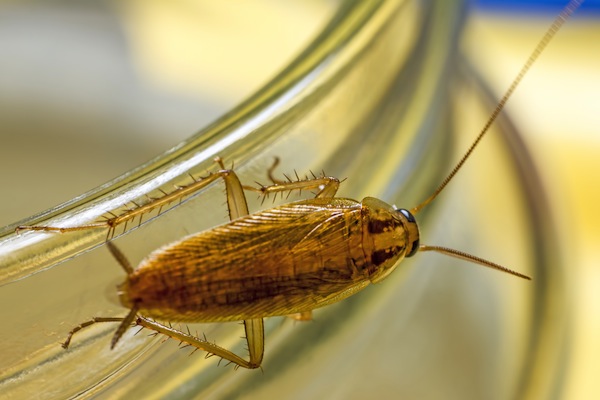
Although the mere word “cockroach” creates a disgusting image, most people associate cockroaches with the large, scurrying cockroaches that often come in from outside. However, it is the small cockroaches species, particularly the German cockroach that cause most of the problems and can be very difficult to control.
The small cockroach species, such as the German and brown-banded cockroaches, live inside buildings. Their small size and quick breeding cycle make them ideally suited to exploiting every nook and cranny in your home and establishing a significant population, even before you know you have a problem!
These are small cockroaches. The adults are only 1.5cm long and the young (nymphs) start at a mere 3mm! This small size means they can exploit very small spaces and in fact some people don’t even realize they are cockroaches…. they just have these “small, brown beetles”!?
Often German cockroaches will manage to get into buildings hidden inside cardboard boxes (so check any incoming boxes!). Whilst they like cardboard boxes they will also try and find a warm dry hiding place, close to food and water. They can exploit a wide variety of hiding places and if you do not locate all these harbourages and kill all the cockroaches hiding there, the population will rebound and the problem will return.
German cockroaches tend to set up home in the kitchen, but also like bathrooms and laundries. Here are the key places to look;
Brown-banded cockroaches can take up residence in similar areas, although they can tolerate dryer conditions they can be found in living areas and bedrooms.
Cockroach gel baits are the main product used by pest professionals to deal with German cockroach or brown banded cockroach infestations.
As German cockroach hiding places are hard to find, the use of small blobs of gel bait placed around the kitchen, is the smart way to get control – no need to find their hiding places, the cockroaches will find the bait!
Place the baits in areas where you have seen cockroaches active or know they are hiding. Placing small pea size dots of bait in the corners of cupboards, in door hinges, and under the sink, dishwashers, cooker and fridge.
They will come out of their hiding places and feed on the bait. Baits are not fast acting by design. The cockroaches then have a chance to get back to their hiding place and share the bait, killing other cockroaches where they hide, to get complete population control. Be aware that bait performance is dependent on how attractive the formulation is and the type of insecticide it contains, so not all baits deliver the same performance.
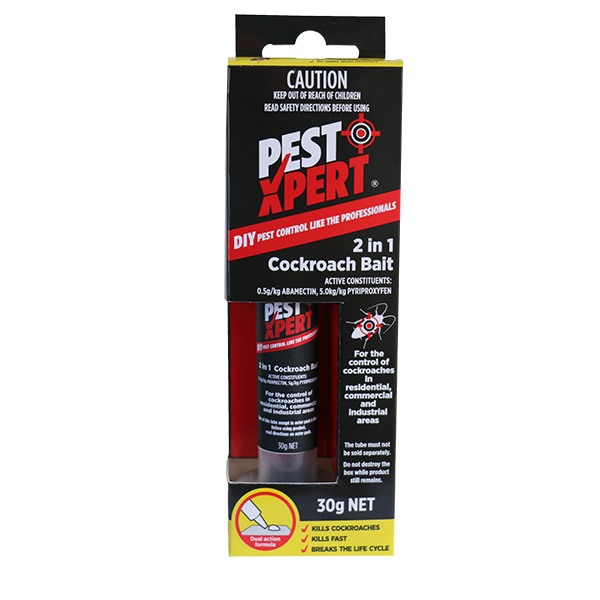
In fact, young German cockroaches do not leave their hiding places, so to get complete control of the problem, cockroach baits are a must and cockroach gels (such as PestXpert 2 in 1 Cockroach Bait) are the choice of professionals. This is because they are far more attractive than the solid type baits and you can place small amounts of gel in a large number of locations, ensuring you target all potential hiding places.
However, it is important to know how to apply cockroach gels correctly to get the best results.
Check out this video showing PestXpert 2 in 1 Cockroach Gel Bait in action on the larger American cockroach…
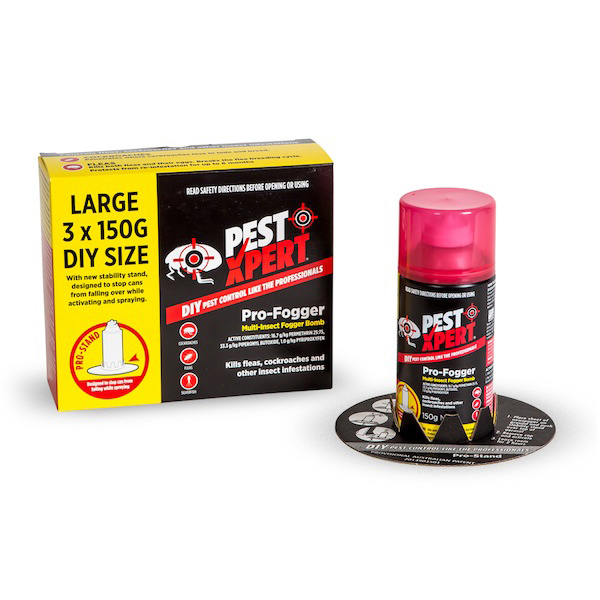
If you have an infested room, a cockroach bomb / fogger is a good way to start. It is very good at getting into cracks and crevices and also kills cockroaches when they come out of the hiding places and walk on treated surfaces. With its long lasting performance it helps prevent re-infestation. Make sure you follow all safety directions. However, it is unlikely to get into all the cockroach hiding places.
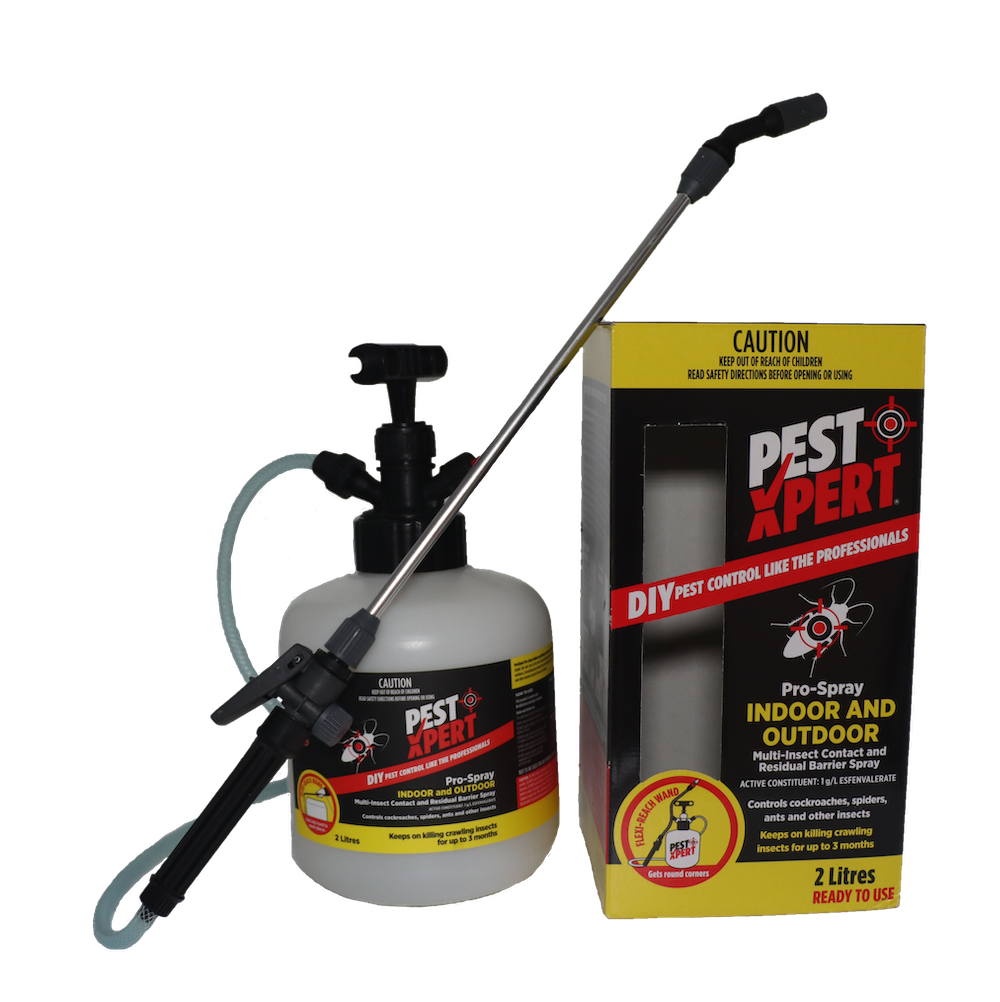
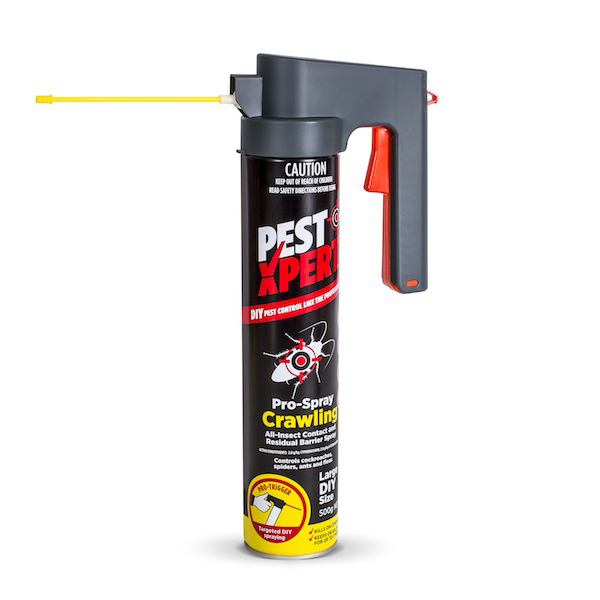
Sprays are useful for targeting known hiding places, directly treating corners of cupboards, under appliances and in other cracks and crevices. Sprays with a nozzle to get into small areas make the job a lot easier.
Important note to get the best performance!
Foggers, sprays and dusts tend to be repellent to cockroaches. As baits are designed to attract cockroaches, baits should not be used in close proximity to other insecticide products. The best option is to carry out a gel bait treatment to the kitchen and other known areas of infestation and then, if required, apply a fogger or targeted spray treatment to other rooms.
Important note on safety / electrical equipment:
Treating cockroach populations in electrical equipment is a challenge – you don’t want to damage the equipment and there are the obvious safety issues in using sprays and liquid products in electrical areas. Baits should be the first choice in these situations, for example, placing a couple of gel dots under the microwave, toaster and kettle.
For small cockroaches, the most important step is to prevent re-infestation. Checking any incoming boxes is a good first step and putting in place a regular spray or baiting program is a good preventative measure. However, there are some other key steps you can take to make your home less attractive to cockroaches;
For more information on cockroaches, prevention tips, control techniques and cockroach products, check out our other blog articles or visit our cockroach treatment page on our website.
All PestXpert products are available in Bunnings. Non-aerosol products are also available to buy online in the PestXpert shop.