How To Control Slaters

Slater (or woodlouse)

The slater (also known as the woodlouse or pillbug)

Slaters (also known as Pillbugs or Woodlice) normally live in the garden. They are beneficial insects helping with the re-cycling of dead plant material. They don’t hurt anyone. However, sometimes they do find their way inside homes.

If you are worried about slaters inside your home, there are certainly some tips to reduce their presence. If they do find their way in and you don’t fancy picking them up and throwing them back outside, there are a number of products to help you out!
Slater Identification

Slaters rolling themselves into a ball for protection

Slaters can roll themselves into a ball for protection

What do they look like?

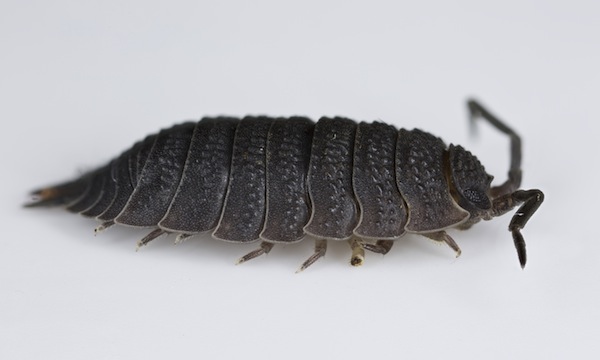
  • Although there are a number of difference species which vary in colour and size (generally less than 15 mm), they all have a similar appearance – a small armoured bug (not an insect), grey / brown in colour with 7 body segments and 7 pairs of legs.
  • Young slaters look very similar to adult slaters on hatching from the eggs, except they only have 6 body segments / 6 pairs of legs.

Back to Slater Menu

Key Slater Facts

Underside of slater showing pleopodal lungs

Slaters have pleopodal lungs (white patches) to help them breath

  • Slaters are not insects but are actually crustaceans, members of the same family as prawns, crabs and lobsters!
  • Slaters need moist environments to be able to breathe through their gill-like structures (pleopodal lungs – white patches on their underside).
  • Slaters prefer to live in moist, dark environments, high in decaying plant matter – so garden beds under mulch, compost heaps, under logs and rocks are common hiding places. 
  • Slaters can roll themselves into a ball for protection from predators and dehydration.

Back to Slater Menu

Signs Of A Slater Infestation

Slaters (woodlice) congregating in large numbers under moist piece of wood on ground

Slaters can congregate in large numbers in moist locations

The presence of slaters inside the house is the first sign you may have a problem.  There are 4 main reasons why slaters may come inside

  • There are large numbers in flower beds outside your home and they come in “by accident”.
  • You have unwittingly provided a nice slater habitat somewhere inside or under your home – dark and damp with a food source (such as cardboard boxes).
  • In droughts they may come inside seeking moisture.
  • In colder weather they may come inside seeking warmth.

Main Pest Season

There is no real pest season for slaters, although they are certainly more abundant outside in the warmer months.  

Back to Slater Menu

Slater Prevention Tips

Slaters on wall of house (exposed after moving stored goods)
  • As slaters feeding on mulch and decaying vegetation, keep garden beds and mulch away from the perimeter of the house.
  • If you do have a garden bed next to the house, use a non-plant based mulch (such as pebbles) and minimise watering (as slaters like moisture).
  • Make sure all cracks and crevices around the edge of the house are sealed to prevent the entry of slaters and other unwanted pests.

Back to Slater Menu

Slater Control Tips

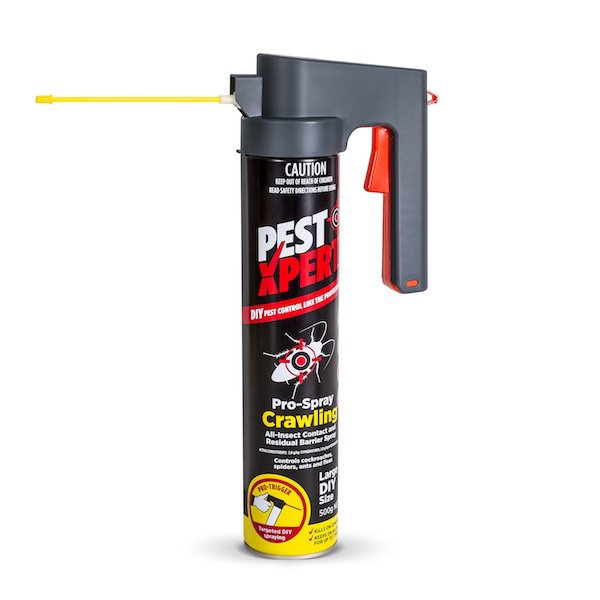
Pestxpert Pro Spray crawling
  • Slaters are easily killed with a direct spray of insecticides either with an aerosol or ready to use pump pack.
  • Preventing the entry of slaters is best achieved by carrying out a perimeter spray with an insecticide (such as a ready to use pump pack), focusing on good coverage at ground level and around potential entry points.

Back to Slater Menu

PestXpert Products For Slaters

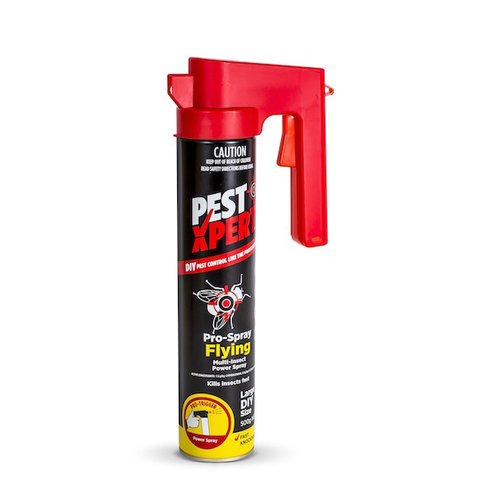
  • Both Pro-Spray Crawling and Pro-Spray Flying aerosols are good options for direct spray onto slaters and the occasional spot treatment around potential entry points.
  • Pro-Spray Crawling is the best option for longer lasting residual control around the perimeter and outside entry points.
  • For a complete perimeter treatment Pro-Spray Outdoor Perimeter is the best option.

Back to Slater Menu

FAQs About Slaters

Slaters like moisture environments and rotting vegetation, so the best way to control slaters naturally is to get rid of wet areas, leaf litter and organic mulch. In garden beds use pebbles as mulch. In vegetable gardens keep any mulch away from the roots of the plants, as slaters tend no to move across open (dryer) areas, even if they are hiding under mulch nearby.

Make sure all cracks and crevices are filled and doors have well fitted weather strips. Making sure the area immediately adjacent to the house is dry will make it less attractive to slaters.

Slaters are normally good for your garden, helping to recycle decaying vegetation. However, if they are present in large numbers in vegetable patches, they can cause damage to plants, especially seedlings (similar to slug and snail damage).

Back to Slater Menu

PestXpert Blog

For the dedicated PestXperts…

The PestXpert Blog gets updated regularly with articles on pests, products and tricks of the trade.
Take your pest control knowledge to the next level and say goodbye to pest problems.

  • Slater or woodlouse
    How to Stop Slaters Invading Your Home

    Slaters entering the home can be a problem in Australia. Learn how to keep slaters out of your home and how to control them.

  • Indian meal moth or pantry moth
    What’s Eating My Food? Pantry Insects

    Pantry pests is a common name given to insects that infest stored products such as flour, cereals and indeed any dried foods. Sometimes you may not be even aware your food has been infested, but when you do… yuck! But…

  • Carpet beetle larva
    5 Facts About Carpet Beetles You Need to Know

    Carpet beetles are a common fabric pest. Although their name indicates they only eat carpets or rugs, they will eat a wide range of animal fabrics including wool, fur, silk, felt, feathers and leather. As with any pest problem it…

  • Silverfish
    10 Places Silverfish Like to Hide in your Home

    Secretive and nocturnal, a silverfish infestation can go unnoticed for some time. A versatile, primitive insect, silverfish can inhabit a wide range of hiding places in your house. Silverfish like to eat starchy foods, so they find paper and cardboard…

  • cockroach on pear
    Spring Cleaning? Do a Pest Spray!

    With the temperature warming up, everyone thinks about clearing up the yard for outdoor entertaining, which often leads to cleaning out the garage and then the house – a good Spring clean! If you are giving your house and yard…

  • Dog with petfood bowls
    Safe pesticide use for pet owners

    “Are insecticides safe to use around my pets?” is perhaps one of the most common question homeowners ask about pest control products. It’s a good question…. and important, because when using any pest control product, safety comes first! Learn more about…