How to Stop Slaters Invading Your Home

Last Updated: May 12, 2026
Gordon Reidy
General Pest Control, Pest Prevention

Slaters might be welcome in the garden but sometimes they over step the mark and invade your home! You’re more likely to find slaters coming into the house into autumn when the temperatures start to drop or during dry, warm periods when they are searching for moisture.

If you find slaters in your home it can be an early warning sign that you may have a source of damp in and around your house. Slaters need moisture to survive, so you must remedy any source of dampness to get control of slater numbers. At the same time, you should seal any cracks and crevices in the building to stop slaters invading from outside.
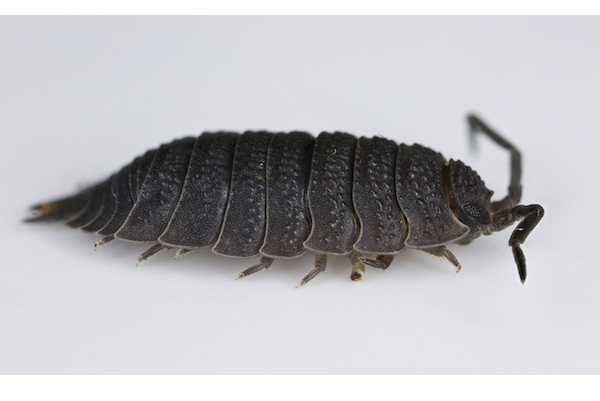
slater or woodlouse
Slater

Slaters can be found throughout the world. This might explain why they have so many names. Some of the more common names include pill bugs, roly polys and woodlice. In Australia and New Zealand they’re known as slaters.

They look a bit like small armadillos (and are sometimes referred to as the armadillo bug), but they’re neither mammal nor insect. Like lobsters, crabs and prawns, they’re a crustacean and breathe through a type of gill system similar to fish. This is why they need a source of water (or damp) to survive.

Slaters are not harmful to humans, but if numbers are allowed to grow they can become a nuisance.

During warmer months, slaters will come into the home during dry periods looking for moisture, although if there are large numbers outside, they can also come in by accident. When temperatures drop they may also make a dash for warmer lodgings. They prefer warm and damp conditions.

With little legs it might take them a while, but slaters can roam anywhere in your home. As a homeowner you’ll most likely come across them in ground floor rooms or within the sub-floor (if you have one).

Garden beds, especially those with warm, damp, wood mulch, are a perfect habitat for slaters. If they’re next to the house it’s not a long journey for them to find their way into your home.

As with other similar sized pests (usually no more than 15 mm in length) they gain entry to your home through cracks and crevices in the building, through weep holes, air vents, and gaps around exterior pipework.

  • Move garden beds away from the house.
  • If you have a garden bed next to the house, use pebbles and NOT a plant-based mulch.
  • Keep plant watering to a minimum (slaters like moist conditions).
  • Seal all cracks and crevices around the property perimeter.
  • Make sure doors fit well and attach draft excluders to minimise any gaps.
  • Eliminate damp areas in and under your home with better ventilation, or heating (to dry out areas of damp).
  • Stop leaking taps or water dripping through worktops around sink units, shower bases and baths. Make sure you give any outdoor taps an extra twist to stop them dripping.
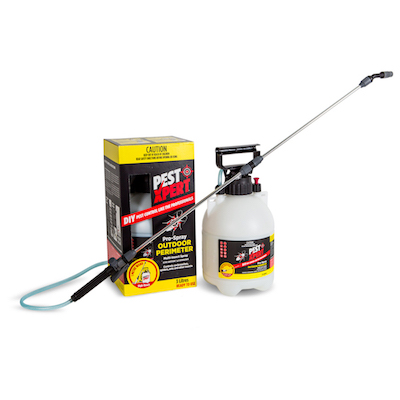
  • Carry out a perimeter spray with an insecticide (such as PestXpert Outdoor Perimeter), focusing on good coverage at ground level, over flower beds and around potential entry points.

Although slaters may be a problem indoors, an indoor treatment alone won’t completely control your slater problem. Slaters come in from the outdoors, so to gain effective control, you’ll need to take action outside in addition to dealing with the slaters inside your home

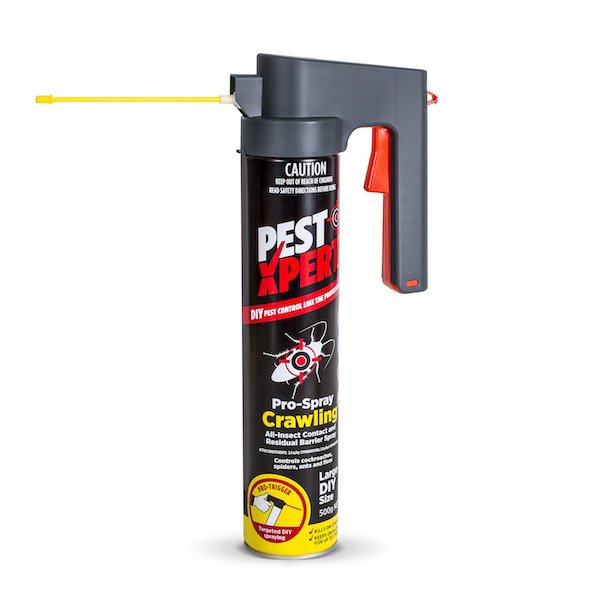
An outdoor perimeter spray with PestXpert Pro-Spray Outdoor Perimeter, creates a general barrier, but slater hiding spots should be identified and treated. Insecticide sprays such as PestXpert Pro-Spray Crawling are very effective in killing slaters. It’s a great option for indoor treatments for direct spray onto slaters. With its extendable nozzle it’s also a great option for targeting outside entry points.

For more information visit our pest centre page dedicated to slaters.
Originally Published: April 19, 2024
author bio image

Author:

Gordon Reidy has over 30 years experience in Pest Control Product Development and Product Safety. As the lead formulator at PestXpert, he has helped develop some of Australia’s most trusted household pest solutions. With a PhD in Toxicology, Gordon is passionate about delivering effective, science-backed products that are safe for families and the environment.

Share This Post

Further Reading

  • Indian meal moth or pantry moth
    What's Eating My Food? Pantry Insects

    Pantry pests is a common name given to insects that infest stored products such as flour, cereals and indeed any dried foods. Sometimes you may not be even aware your food has been infested, but when you do… yuck! But…

  • Carpet beetle larva
    5 Facts About Carpet Beetles You Need to Know

    Carpet beetles are a common fabric pest. Although their name indicates they only eat carpets or rugs, they will eat a wide range of animal fabrics including wool, fur, silk, felt, feathers and leather. As with any pest problem it…

  • Silverfish
    10 Places Silverfish Like to Hide in your Home

    Secretive and nocturnal, a silverfish infestation can go unnoticed for some time. A versatile, primitive insect, silverfish can inhabit a wide range of hiding places in your house. Silverfish like to eat starchy foods, so they find paper and cardboard…

  • cockroach on pear
    Spring Cleaning? Do a Pest Spray!

    With the temperature warming up, everyone thinks about clearing up the yard for outdoor entertaining, which often leads to cleaning out the garage and then the house – a good Spring clean! If you are giving your house and yard…

  • Dog with petfood bowls
    Safe pesticide use for pet owners

    “Are insecticides safe to use around my pets?” is perhaps one of the most common question homeowners ask about pest control products. It’s a good question…. and important, because when using any pest control product, safety comes first! Learn more about…

  • Spraying house
    DIY Pest Control - Which insecticide should you choose?

    Everything you need to know about white tail spiders: What do they look like? Where do they live? Information on white tail spider bites - is the flesh eating spider bite a myth? How to get rid of white tail…

  • Carpet beetle larva
    What’s eating my clothes?

    If you find holes in your clothes, carpets, curtains or other fabrics, you need to work out the cause before you decide on a treatment. But how can you work out what’s eating your clothes? Check out our cheat sheet…

  • Housefly
    How to Get Rid of Flies - The Ultimate Guide

    Houseflies are very annoying, but they also carry a wide range of diseases including Salmonella, cholera, even leprosy and anthrax! So it makes sense to keep flies out of your home. Check out our blog post - The Ultimate Guide…

  • paralysis tick
    Paralysis ticks in Australia – All you need to know

    The mention of paralysis tick (Ixodes holocyclus) can strike fear into the hearts of pet owners. The fear is justified… for a dog or cat, a bite from paralysis tick can lead to death in a very short time. Here's…

  • PestXpert cockroach gel bait
    How to Use Cockroach Bait

    Cockroach baits are the best way to get rid of cockroach infestations, especially small cockroaches (German cockroaches). However, there are some tips to get the best performance from cockroach baits and indeed some cockroach baits are better than others. Learn…