Spring Cleaning? Do a Pest Spray!

Last Updated: May 12, 2026
Gordon Reidy
General Pest Control, Pest Prevention

With the temperature warming up, everyone thinks about clearing up the yard for outdoor entertaining, which often leads to cleaning out the garage and then the house – a good Spring clean! If you are giving your house and yard the once over, now’s a good time to be carrying out a general pest treatment, to prevent an insect explosion later in the season.
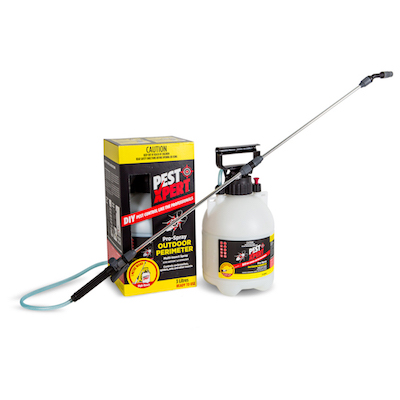
Pestxpert Pro Spray Outdoor Perimeter a professional pest spray product
PestXpert Pro Spray Outdoor Perimeter is design for a DIY Pest Treatment

In most parts of Australia, insect activity slows down during the cooler months, but when the temperature starts warming up insects become more active and start looking for places to nest and produce young. Carrying out preventative treatments inside and outside the home in Spring, when the pest numbers are low, helps prevents insect population build-up and avoids a potential pest explosion in Summer. As we all know, a pest infestation can be upsetting and annoying, as well as a lot harder to control.

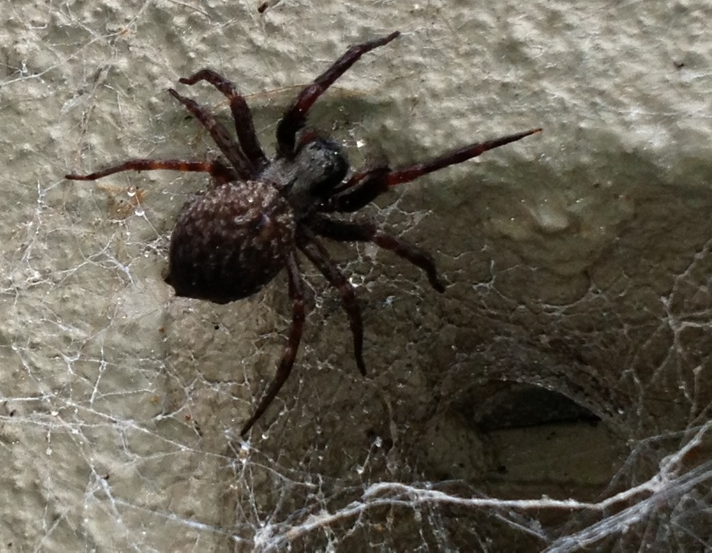
Black House spiders love to make their webs around windows, doors and eaves
Black house spider by its typical funnel-shaped web

Some homeowners use a professional pest controller to carry out their pest treatments, but with a bit of knowledge and the right products, it is pretty straightforward to do the job yourself. There are a number of key maintenance steps that keep pest numbers down as well, which should be carried out before a pest treatment. Here are our tips for your Spring pest treatment inside and outside your home. It’s always worth starting with the outside, as in most cases pests are outside trying to get in!

Maintenance tips

  • Clean up any garden beds adjacent to the house – ideally plants next to the house should be kept to a minimum
  • Throw away any rubbish around and under the home
  • Prune back any branches over hanging the roof
  • Fill any cracks / holes which may allow pests to enter
  • Check insect screens and draft excluders are in good condition and well fitted

Pest treatment:

Use a long lasting residual spray to treat the following areas

  • The perimeter of the house – 1m up the wall and 1m out from the wall
  • Around windows and doors, cracks / crevices and other insect entry points
  • Under eaves
  • Under the sub-floor (if you have one)

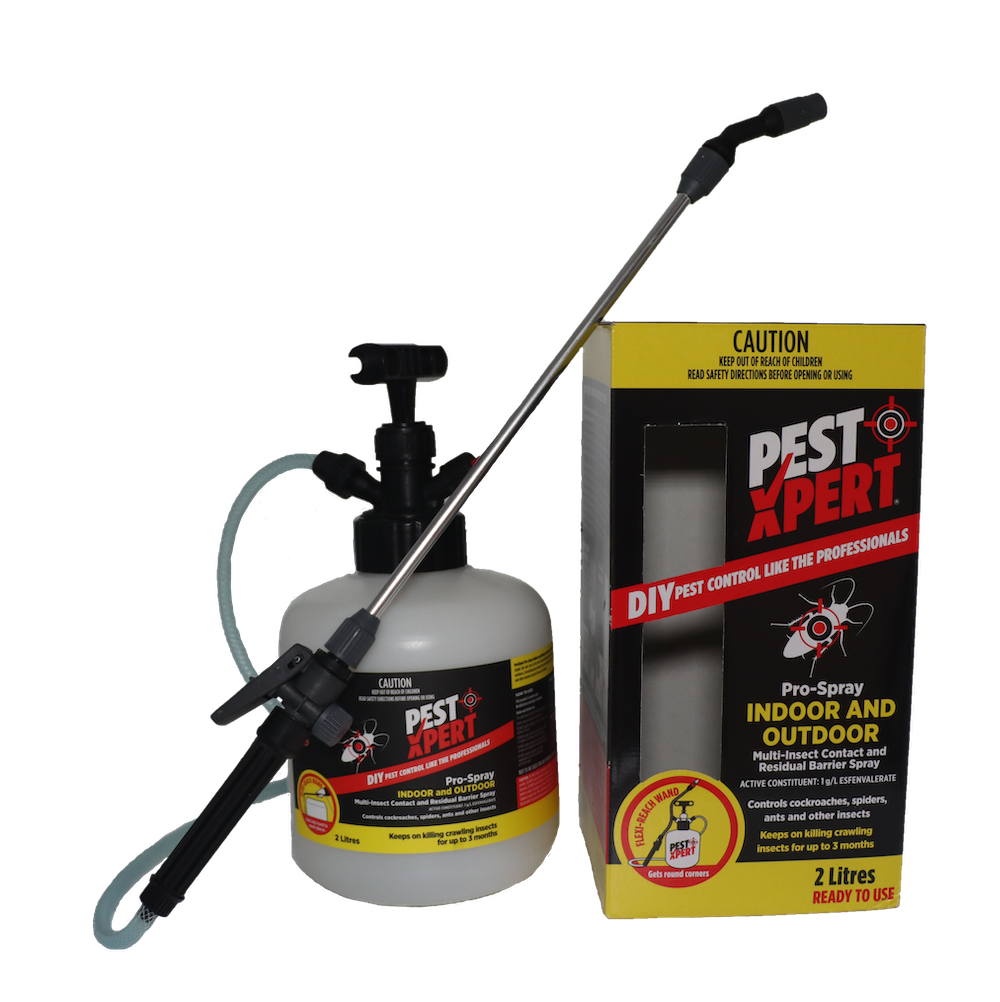
PestXpert Outdoor Perimeter Spray – a ready to use 3L pump pack with 1m spray wand, is a great option.

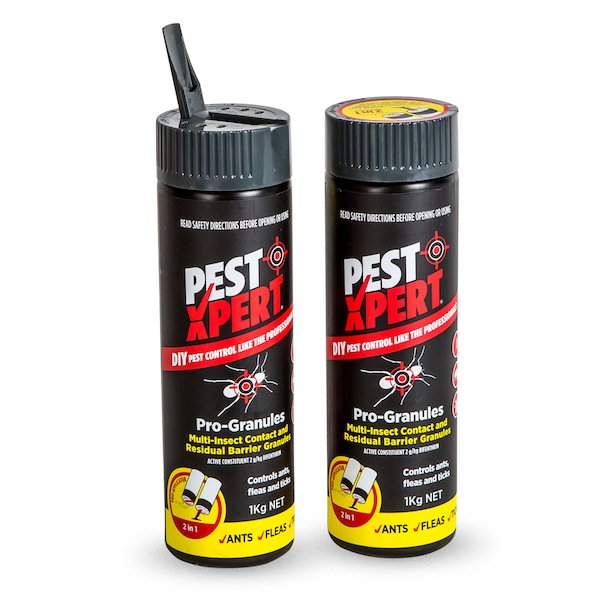
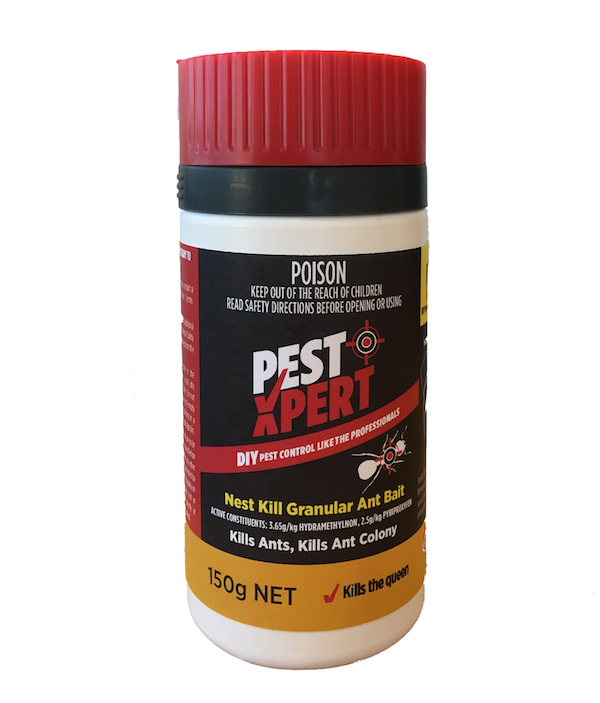
If ants are showing signs of activity in lawns and pavers, treat nests directly with a insecticide spray or use an insecticide granule / sand to treat the required area. Better still use PestXpert Nest Kill ant bait to eliminate the nests completely.

Maintenance tips:

  • Clear up any dropped food in cupboards and under appliances
  • Clean in and under the cooker, fridge, dishwasher, microwave and toaster
  • Check kitchen, bathroom and laundry for any leaks (and fix them – insects love moisture!)

Pest Treatment:

Use a long lasting residual spray to treat the following areas:

  • Spray around the perimeter of the kitchen, laundry and bathroom and under cupboards / appliances
  • To keep pests out of kitchen cupboards, remove food, appliances and utensils and spray around edges.
  • To keep fabric pests out of wardrobes and drawers, remove clothing and spray around edges of drawers, shelving and at the base of built-ins

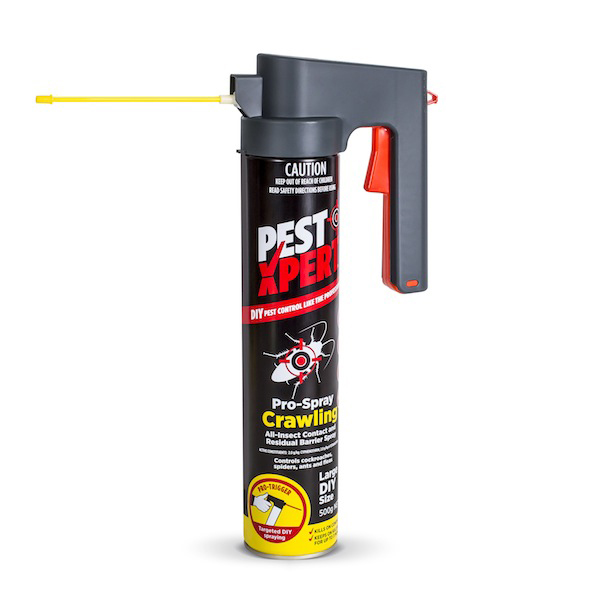
PestXpert Indoor / Outdoor and PestXpert Pro-Spray Crawling aerosol are great options for internal treatments as they both have nozzle to get under cupboards and penetrate cracks and crevices.

To protect your clothes in wardrobes, PestXpert Total Month Control is a great option. It can also be used to prevent pantry moth problems in the kitchen.

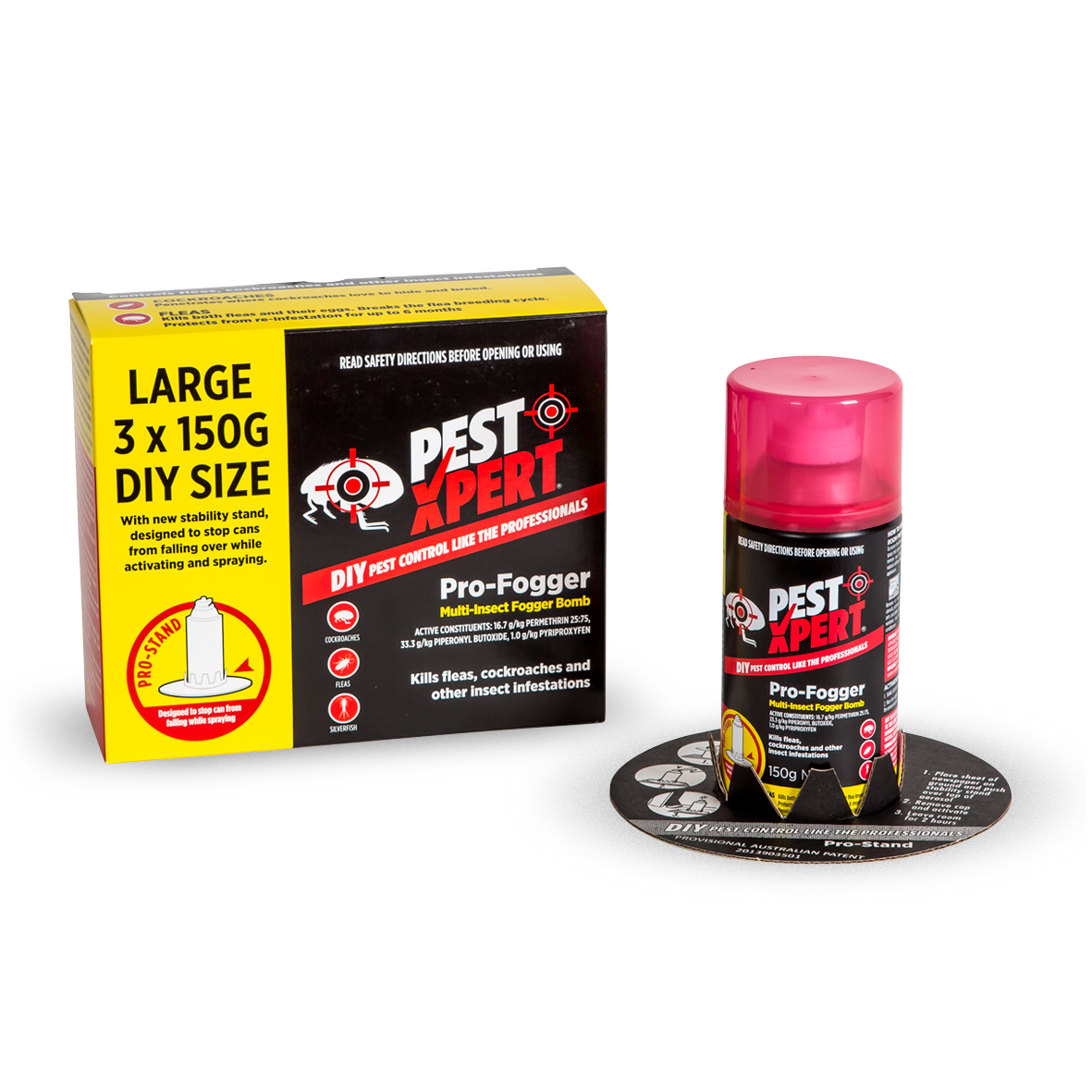
Using a pest fogger / bomb, such as PestXpert Pro-Fogger, can also be a great option. Although most people only use them if they have a flea or cockroach infestation, they can be a great preventative option, providing many months protection. When used in bedrooms, the fine mist can get into all cupboards and drawers providing protection against silverfish and other clothes pests.

Carrying out your own pest treatment not only saves you the cost of a professional, but a pest treatment makes you feel in control – safe and secure in your home.
Originally Published: September 1, 2022
author bio image

Author:

Gordon Reidy has over 30 years experience in Pest Control Product Development and Product Safety. As the lead formulator at PestXpert, he has helped develop some of Australia’s most trusted household pest solutions. With a PhD in Toxicology, Gordon is passionate about delivering effective, science-backed products that are safe for families and the environment.

Share This Post

Further Reading

  • Slater or woodlouse
    How to Stop Slaters Invading Your Home

    Slaters entering the home can be a problem in Australia. Learn how to keep slaters out of your home and how to control them.

  • Indian meal moth or pantry moth
    What's Eating My Food? Pantry Insects

    Pantry pests is a common name given to insects that infest stored products such as flour, cereals and indeed any dried foods. Sometimes you may not be even aware your food has been infested, but when you do… yuck! But…

  • Carpet beetle larva
    5 Facts About Carpet Beetles You Need to Know

    Carpet beetles are a common fabric pest. Although their name indicates they only eat carpets or rugs, they will eat a wide range of animal fabrics including wool, fur, silk, felt, feathers and leather. As with any pest problem it…

  • Silverfish
    10 Places Silverfish Like to Hide in your Home

    Secretive and nocturnal, a silverfish infestation can go unnoticed for some time. A versatile, primitive insect, silverfish can inhabit a wide range of hiding places in your house. Silverfish like to eat starchy foods, so they find paper and cardboard…

  • Dog with petfood bowls
    Safe pesticide use for pet owners

    “Are insecticides safe to use around my pets?” is perhaps one of the most common question homeowners ask about pest control products. It’s a good question…. and important, because when using any pest control product, safety comes first! Learn more about…

  • Spraying house
    DIY Pest Control - Which insecticide should you choose?

    Everything you need to know about white tail spiders: What do they look like? Where do they live? Information on white tail spider bites - is the flesh eating spider bite a myth? How to get rid of white tail…

  • Carpet beetle larva
    What’s eating my clothes?

    If you find holes in your clothes, carpets, curtains or other fabrics, you need to work out the cause before you decide on a treatment. But how can you work out what’s eating your clothes? Check out our cheat sheet…

  • Housefly
    How to Get Rid of Flies - The Ultimate Guide

    Houseflies are very annoying, but they also carry a wide range of diseases including Salmonella, cholera, even leprosy and anthrax! So it makes sense to keep flies out of your home. Check out our blog post - The Ultimate Guide…

  • paralysis tick
    Paralysis ticks in Australia – All you need to know

    The mention of paralysis tick (Ixodes holocyclus) can strike fear into the hearts of pet owners. The fear is justified… for a dog or cat, a bite from paralysis tick can lead to death in a very short time. Here's…

  • PestXpert cockroach gel bait
    How to Use Cockroach Bait

    Cockroach baits are the best way to get rid of cockroach infestations, especially small cockroaches (German cockroaches). However, there are some tips to get the best performance from cockroach baits and indeed some cockroach baits are better than others. Learn…